How Inventory Affects Working Capital and Cash Flow
For many businesses, inventory is one of the largest investments on the balance sheet. Whether you’re running a manufacturing plant, retail store, distribution center, or e-commerce business, the money tied up in inventory has a direct impact on your working capital and cash flow.
While maintaining enough inventory is essential to meet customer demand, holding more inventory than necessary can quietly drain financial resources. Many organizations focus on increasing sales or reducing operational costs but overlook how inefficient inventory management affects their cash position.
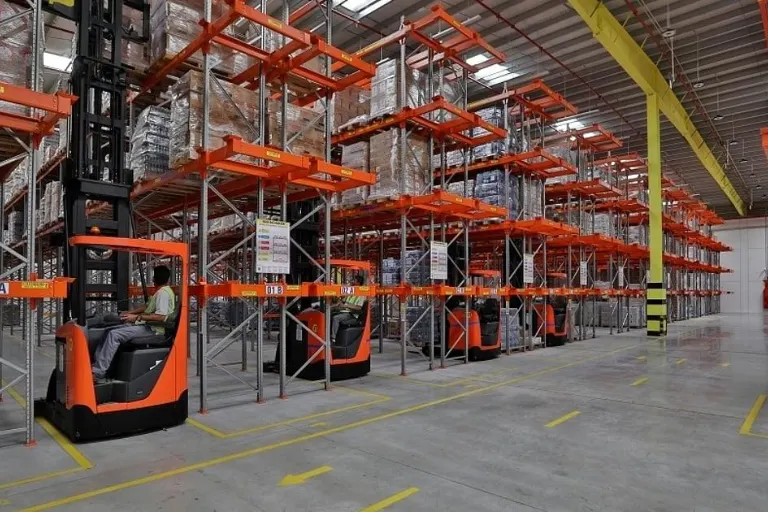
Inventory is more than products stored on warehouse shelves—it represents cash that cannot be used elsewhere until those products are sold. Understanding the relationship between inventory, working capital, and cash flow helps businesses improve financial health while maintaining efficient operations.
Understanding Working Capital
Working capital is the difference between a company’s current assets and current liabilities. It represents the funds available to manage daily business operations, pay suppliers, purchase raw materials, cover employee salaries, and meet short-term financial obligations.
Inventory forms a major part of current assets. However, unlike cash, inventory cannot be used immediately to pay expenses. It must first be sold, converted into receivables, and finally collected as cash.
The longer inventory remains unsold, the longer business funds remain locked.
Why Inventory Has a Direct Impact on Cash Flow
Every inventory purchase requires cash.
When a company purchases raw materials or finished goods, money moves out of the business immediately. Cash returns only after the inventory is sold and customer payments are received.
If inventory moves slowly, cash remains blocked for weeks or even months.
This delay reduces liquidity and limits the company’s ability to invest in growth opportunities, purchase new inventory, or respond to market demand.
Simply put, inventory that sits in the warehouse for too long reduces cash flow.
The Hidden Cost of Excess Inventory
Many businesses purchase additional inventory to avoid stock shortages. While this may seem like a safe strategy, excessive inventory creates several financial challenges.
More inventory requires larger warehouse space, additional insurance, increased handling costs, higher security expenses, and greater risk of damage or obsolescence.
As products remain unsold, businesses continue paying carrying costs without generating revenue.
Excess inventory also increases the risk of slow-moving and dead stock, forcing companies to offer heavy discounts or write off inventory completely.
Ultimately, excess stock reduces profitability while locking valuable working capital.
How Inventory Shortages Affect Cash Flow
Maintaining too little inventory creates a different set of problems.
Stock shortages lead to lost sales, delayed customer deliveries, production interruptions, and emergency purchasing.
Emergency procurement often involves higher purchase prices, faster transportation costs, and supplier premiums.
Customers experiencing repeated stockouts may shift to competitors, reducing future revenue.
Finding the right inventory balance is therefore essential for maintaining healthy cash flow.
Slow-Moving Inventory Blocks Business Growth
One of the biggest reasons businesses struggle with working capital is slow-moving inventory.
Products that remain unsold for long periods occupy valuable warehouse space while consuming cash that could otherwise support expansion, marketing, equipment purchases, or technology upgrades.
Many companies discover that a significant percentage of their inventory has not moved for several months.
Without regular inventory analysis, businesses continue investing in products that generate little or no return.
Inventory Accuracy Improves Financial Decisions
Accurate inventory records are critical for effective financial planning.
If ERP records do not match physical inventory, purchasing decisions become unreliable.
Businesses may order inventory that already exists or fail to purchase products that are actually running low.
Inventory inaccuracies also affect production planning, customer commitments, and financial reporting.
Regular physical stock audits help ensure inventory records remain accurate, enabling management to make better financial decisions.
Inventory Optimization Improves Working Capital
Effective inventory management is not about reducing inventory at any cost—it is about maintaining the right inventory at the right time.
Businesses can improve working capital by implementing demand forecasting, ABC analysis, reorder point planning, safety stock calculations, and inventory turnover monitoring.
These techniques help reduce excess inventory while ensuring product availability for customers.
Optimized inventory means less money locked in storage and more cash available for business operations.
The Importance of Inventory Turnover
Inventory Turnover is one of the most important indicators of inventory performance.
A higher inventory turnover ratio indicates that products are selling quickly and cash is returning to the business faster.
A low turnover ratio suggests excess inventory, slow-moving products, or inefficient purchasing practices.
Monitoring inventory turnover allows businesses to identify products that require corrective action before they become dead stock.
Practical Steps to Improve Cash Flow Through Better Inventory Management
Businesses can strengthen cash flow by conducting regular physical stock audits, reviewing slow-moving inventory, improving demand forecasting, reducing obsolete stock, and implementing inventory optimization strategies.
Warehouse organization should also be improved to reduce picking errors and unnecessary inventory handling.
Technology such as ERP systems, barcode scanners, and warehouse management systems provides better visibility, but disciplined inventory processes remain essential for achieving long-term financial benefits.
Why Professional Inventory Consulting Matters
Many businesses understand that inventory affects cash flow but struggle to identify where improvements are needed.
Professional inventory consultants analyze inventory performance, identify excess stock, improve warehouse processes, verify inventory accuracy, and recommend strategies that reduce inventory investment without affecting customer service.
Even small improvements in inventory accuracy and stock optimization can significantly improve working capital and overall profitability.
Conclusion
Inventory is far more than products sitting on warehouse shelves—it is one of the largest uses of business capital. Every unnecessary item stored in the warehouse represents cash that cannot be invested elsewhere.
Organizations that actively manage inventory through regular stock audits, inventory optimization, accurate forecasting, and continuous process improvement enjoy stronger cash flow, healthier working capital, lower carrying costs, and improved profitability.